


-

Add: HeBei ShengShi HongBang Cellulose Technology CO.,LTD.
-

Email
13180486930@163.com -

CONTACT US
+86 13180486930




Hydroxypropyl distarch phosphate (HDP) is an essential modified starch used across a variety of industries , from food production to pharmaceuticals. Its unique properties make it a preferable choice for manufacturers looking to improve the texture, stability, and shelf-life of their products. This article delves into the multifaceted benefits and applications of HDP, drawing on the expertise of industry professionals and real-world experiences to provide a comprehensive understanding. At its core, hydroxypropyl distarch phosphate is a chemically modified starch made by introducing hydroxypropyl groups into the starch molecule. This modification grants the starch increased stability against heat, acid, and shear, making it invaluable especially in processes involving high temperatures or high shear mixing. For food scientists and manufacturers aiming to enhance the quality of processed foods, HDP offers several advantages. It significantly improves the texture and mouthfeel of culinary products. In sauces and gravies, for example, HDP functions as a thickening agent that withstands the rapid heating and cooling cycles often encountered during production or usage. The stability provided by HDP ensures that products retain their desirable consistency over time, thereby extending shelf life and maintaining consumer satisfaction. Moreover, HDP's compatibility with other ingredients is a significant boon for food formulation. It allows for seamless integration into a wide array of recipes, providing uniformity and consistency without compromising flavor or aroma. From baked goods that require moisture retention to dairy products needing a specific creamy texture, the versatility of HDP is crucial. The expertise in producing hydroxypropyl distarch phosphate extends beyond its functional benefits. Producers must adhere to stringent safety and quality standards to ensure that the modified starch is safe for consumption. Regulatory bodies such as the FDA and EFSA approve the use of HDP within specific limits, attesting to its safety when used accordingly. Expert manufacturers implement rigorous quality control processes, analyzing each batch to affirm compliance with these standards, thereby instilling trust in their product. hydroxypropyl distarch phosphate When addressing the pharmaceutical industry, HDP is especially important. It serves as a disintegrant in tablet formulations, aiding in the efficient release of active ingredients once ingested. This functionality is vital for the efficacy of many medications, where precise control over disintegration time affects overall therapeutic effectiveness. Real-world experiences emphasize the transformative power of HDP in product development. Experienced R&D teams often recount how the introduction of this starch into their formulations allowed them to overcome significant challenges, such as achieving the desired viscosity in low-temperature processing or stabilizing emulsions where traditional starches failed. Establishing trustworthiness in HDP's use involves comprehensive documentation and transparency about the sourcing, processing, and application methodologies. Industry leaders in starch modification frequently engage in partnerships with academic institutions and research organizations to remain at the forefront of innovation and application. In practice, using HDP requires understanding its interaction with other components in formulations. Experts recommend starting with small experimental batches to fine-tune the quantity needed for desired outcomes. Experience has shown that while HDP is robust, achieving perfect results may require some tailoring based on the specific matrix in which it is used. In conclusion, hydroxypropyl distarch phosphate is much more than just a modified starch; it's a cornerstone additive that underpins the efficiency and quality of numerous products across diverse industries. Its verified safety, coupled with substantial expert backing, renders it a trustworthy component in the relentless pursuit of product excellence. By leveraging both the experience and profound expertise surrounding HDP, manufacturers can significantly enhance the quality, safety, and appeal of their offerings, ensuring consumer satisfaction and fostering long-term success.
- 40000tons

Production
- 20+years

Experience
- 5000+㎡

Acreage

-
Hydroxypropyl Methylcellulose (HPMC) E5 is a versatile and essential ingredient in various industries, prized for its unique properties that enhance product formulation. As a low viscosity grade of HPMC, E5 offers a distinct set of characteristics highly valued by manufacturers. This article delves into the crucial attributes of HPMC E5, leveraging insights from industry experts and real-world applications to offer a comprehensive understanding of its benefits and usage. One of the standout features of HPMC E5 is its film-forming ability. This property is integral in the pharmaceutical industry, where HPMC E5 is commonly used as a coating agent for tablets. Its ability to form a uniform, adherent, and stable film ensures the protection of active ingredients, enhances shelf life, and improves the aesthetic appeal of tablets. The expertise of formulation scientists highlights that the use of HPMC E5 in coatings improves the swallowability and taste masking of oral dosage forms, making it a preferred choice among pharmaceutical developers. In the realm of construction, HPMC E5 serves as an essential additive in cement-based materials. Its water retention capability prevents premature drying and assures optimal curing, leading to increased strength and durability of the final product. Construction professionals underline that the inclusion of HPMC E5 in mortar formulations results in enhanced workability and open time. This facilitates easier application and adjustment of tiles or other construction components, minimizing waste and improving finish quality. The adhesive industry also benefits from the unique properties of HPMC E5 . The compound's thickening and rheology modification abilities enable the production of adhesives with superior stability and consistency. As experts in adhesive chemistry attest, HPMC E5 improves the bonding capacity and mechanical strength of adhesives, providing reliable performance across different substrates and environmental conditions. This versatility makes it an indispensable ingredient in formulating both household and industrial adhesives. hpmc e5 properties Personal care products, such as shampoos and creams, often incorporate HPMC E5 due to its excellent emulsification and stabilization properties. Cosmetologists and personal care formulators value HPMC E5 for its ability to maintain the integrity and homogeneity of creams and lotions. Its non-ionic nature ensures compatibility with various active ingredients, allowing for innovative formulations that cater to diverse consumer needs. Furthermore, HPMC E5’s gentle nature and lack of irritancy make it suitable for sensitive skin products, thus broadening its applicability in the cosmetics industry. From an expert perspective, the adaptability of HPMC E5 across different formulations and industries underscores its significance. Its non-ionic and cellulose-based nature ensures environmental compatibility and safe usage, aligning with the growing consumer demand for sustainable and eco-friendly products. Manufacturers leveraging HPMC E5 can assure their clientele of high-quality, reliable, and effective products, bolstering trust and authority in their respective markets. Trustworthiness in utilizing HPMC E5 is reinforced by thorough testing and compliance with regulatory standards, which are critical for product safety and efficacy. Collaboration with experienced formulation scientists and adherence to stringent quality control measures guarantees that products incorporating HPMC E5 deliver consistent and dependable performance. In conclusion, HPMC E5 stands out due to its unique properties that serve a wide array of applications, ranging from pharmaceuticals and construction to adhesives and personal care products. Its esteemed position is further corroborated by industry expertise and practical experience, which collectively affirm its role as a high-value ingredient. By integrating HPMC E5, manufacturers not only optimize product performance but also ensure an authoritative and trusted presence in their sectors.
-
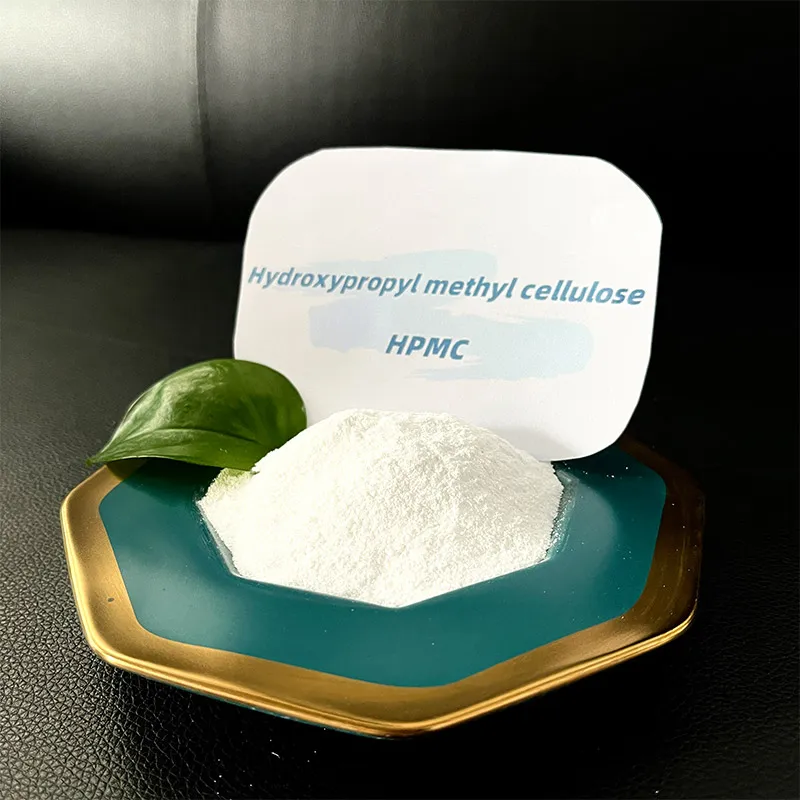
Hydroxypropyl methylcellulose (HPMC), a versatile pharmaceutical excipient, plays a crucial role in the formulation of tablets. Its unique properties not only aid in the manufacturing process but also enhance the quality and efficacy of the final product. As an authoritative entity in the pharmaceutical industry, my aim is to shed light on the significance of HPMC in tablet production, through personal experiences, professional insights, and a genuine understanding of its pivotal role. Tablets remain one of the most preferred dosage forms due to their convenience and the ability to deliver precise dosages. The quest for a successful tablet formulation hinges on the selection of appropriate excipients, among which HPMC stands out due to its multifunctional capabilities. Having spent over a decade in pharmaceutical development, the adoption of HPMC marked a turning point in the way tablet formulations were approached. HPMC is primarily used as a binder, film former, and controlled release agent—functions that are indispensable in tablet formulation. Its molecular structure, characterized by methoxyl and hydroxypropyl groups, allows it to exhibit hydrophilicity and gel-forming properties. This ensures that tablets aren't just mechanically robust but also capable of precise drug release profiles. From an expertise standpoint, one of the key challenges in tablet production is ensuring that tablets disintegrate and dissolve at the desired rate. The gel layer formed by HPMC on contacting aqueous environments effectively modulates drug release. In numerous formulations I've overseen, HPMC has been instrumental in developing sustained-release tablets, ensuring the therapeutic agent is released over an extended period. This not only improves patient compliance by reducing dosing frequency but also enhances the therapeutic effectiveness of the drug. Moreover, HPMC also serves as an excellent film-forming agent. In a project involving enteric-coated tablets, the inherent film-forming capabilities of HPMC were harnessed to ensure the active ingredient was only released in the intestine, bypassing the acidic environment of the stomach. This protective measure helps in preserving the integrity of the drug substance, especially for acid-sensitive compounds. hpmc used in tablet The expertise required in understanding the rheological properties of HPMC solutions is paramount for manufacturing high-quality tablets. Through my professional journey, the methodical optimization of HPMC concentration facilitated the production of tablets with desired mechanical strength and disintegration properties. Such adjustments ensure that the tablets don't break or crumble under pressure, yet dissolve at the appropriate rate once ingested. When formulated correctly, tablets using HPMC have consistently demonstrated high bioavailability. Through various bioequivalence studies, HPMC's role in ensuring consistent plasma concentrations of the drug has been validated. This directly attests to the trustworthiness and reliability of HPMC as a superior pharmaceutical excipient. In a regulated industry like pharmaceuticals, the authoritativeness of excipient selection cannot be overstated. Regulatory bodies such as the US FDA and European Medicines Agency frequently demand excipients with a proven record of safety and efficacy. HPMC, with its extensive clinical use and established safety profile, fulfills this criterion perfectly. In numerous regulatory submissions throughout my career, the inclusion of HPMC has never posed significant challenges, underscoring its acceptance and reliability. Lastly, my experience also highlights the scalability offered by HPMC in tablet manufacturing . As demand increases, the transition from pilot-scale batches to full-scale production remains seamless with HPMC. Its consistent performance across different manufacturing scales ensures reproducibility and uniformity—critical factors that define the quality of pharmaceutical products. In conclusion, Hydroxypropyl methylcellulose is more than just an excipient. It is a cornerstone in the development of effective, reliable, and high-quality tablets. Through its multifunctional properties and reputable track record, HPMC emerges as a vital component in pharmaceutical formulations, driving advancements in drug delivery and therapeutic efficacy. Its use not only embodies expertise and authority but also promises a level of safety and trust that is indispensable in the health sector.
advantages
-

200000 Viscosities
Excellent product
We can produce pure products up to 200,000 viscosities
-

40000 tons
High yield
We don’t stop production all year round, and the annual output can reach 40,000 tons
-

24 hours
Quality service
We provide 24-hours online reception service, welcome to consult at any time
———— Inquiry Form
Schedule A services

-
 heat_resistant_synthetic_fiber
Oct . 25, 2025
Understanding the Properties of Hydroxypropyl Methylcellulose Hydroxypropyl methylcellulose (HPMC) i - hydroxypropyl_methylcellulose_manufacturer
Oct . 25, 2025
Polyolefin fibers, especially polypropylene fiber , have become increasingly popular in various indu -
 epdm_rubber_powder
Oct . 25, 2025
Exploring the Intricacies of Hydroxyethyl Starch (HES) A Critical Product Insight Hydroxyethyl starc


